Hughes Estate Project
About the Project
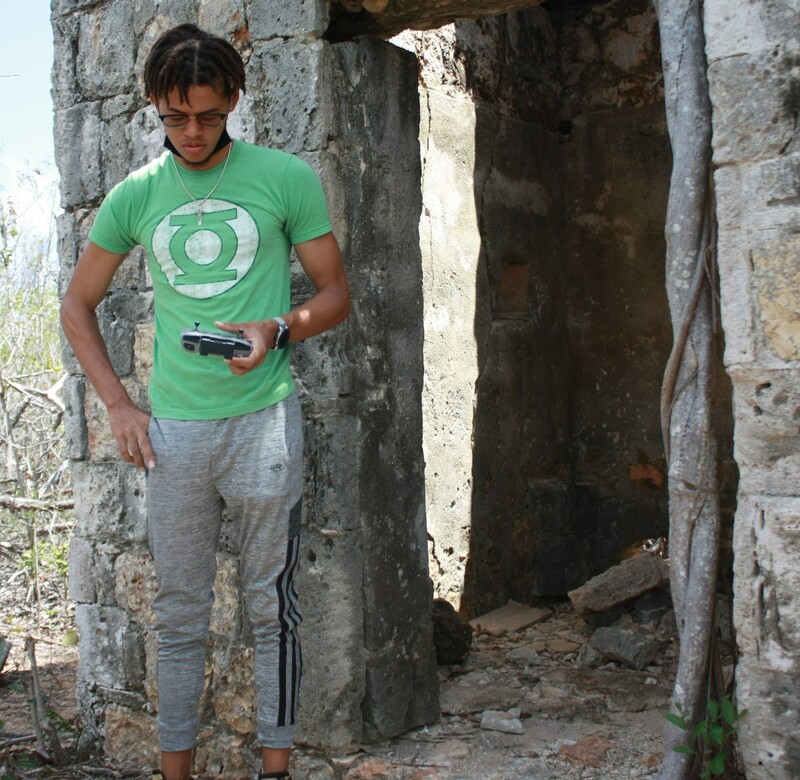
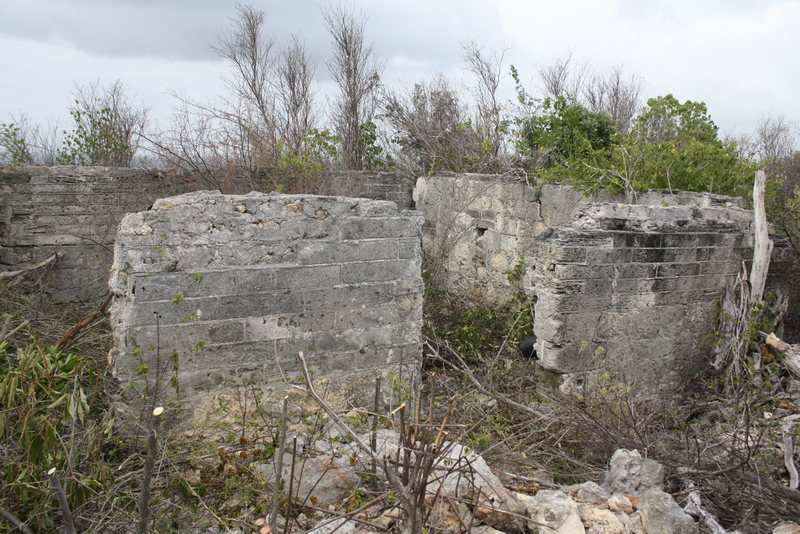
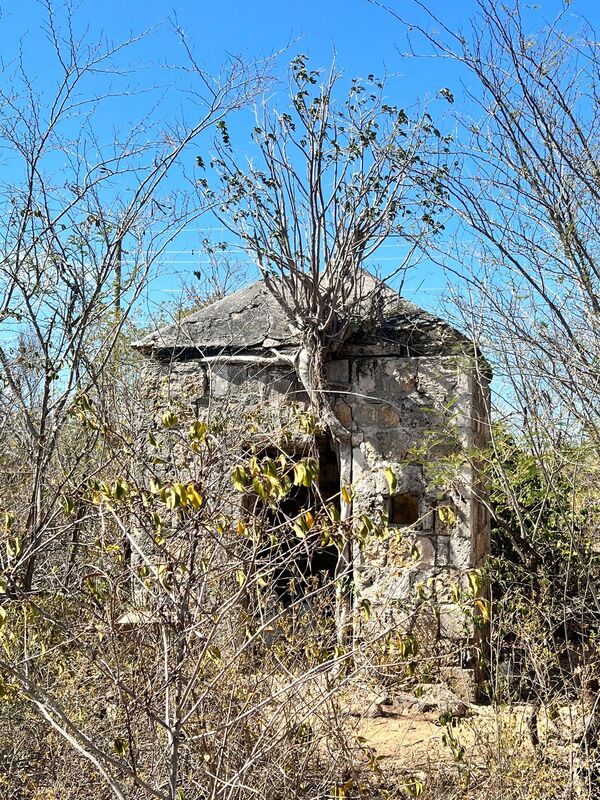
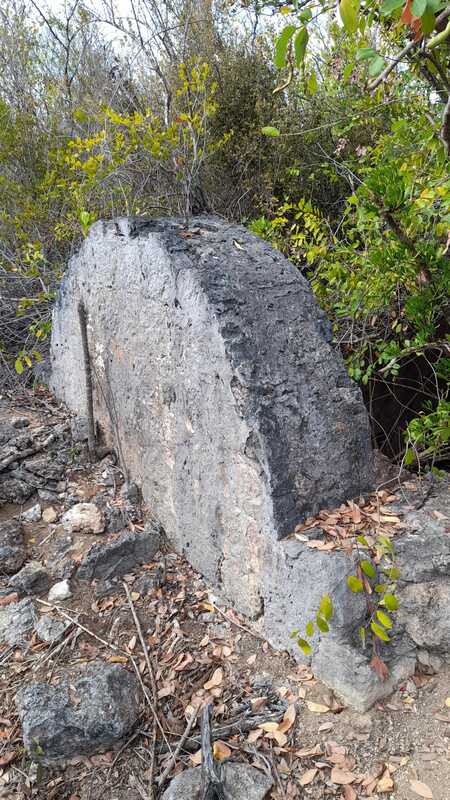
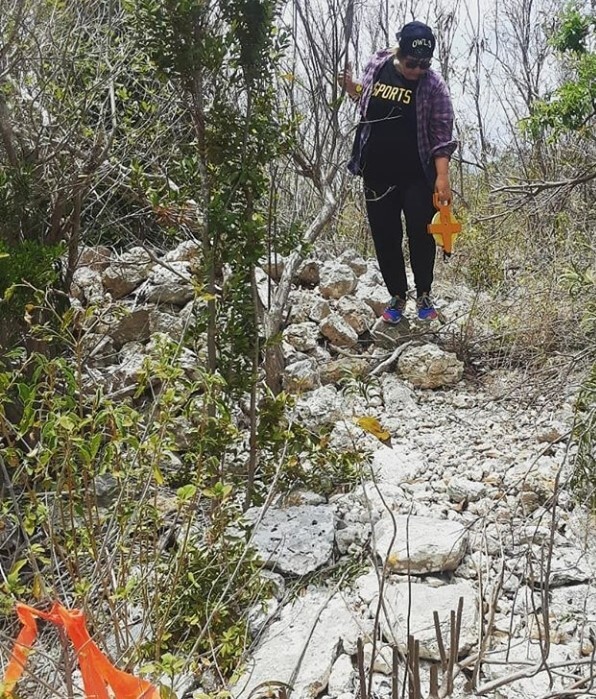
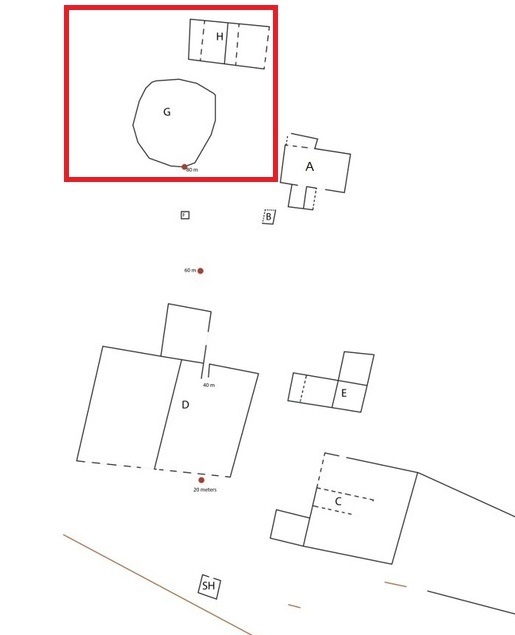
The Hughes Estate was one of the larger plantations of pre-emancipation era Anguilla. During the first quarter of the 19th century, the Hughes Estate spanned 280-acres and was operated by the enslaved labor of 96 people of African descent.
Analysis of ceramic ware type reveals that the Hughes Estate likely reached its peak occupation between the 1770s-1830s. Slavery was abolished on Anguilla in 1834, and archaeological findings indicates that the Hughes Estate plantation was largely abandoned within a decade of abolition.
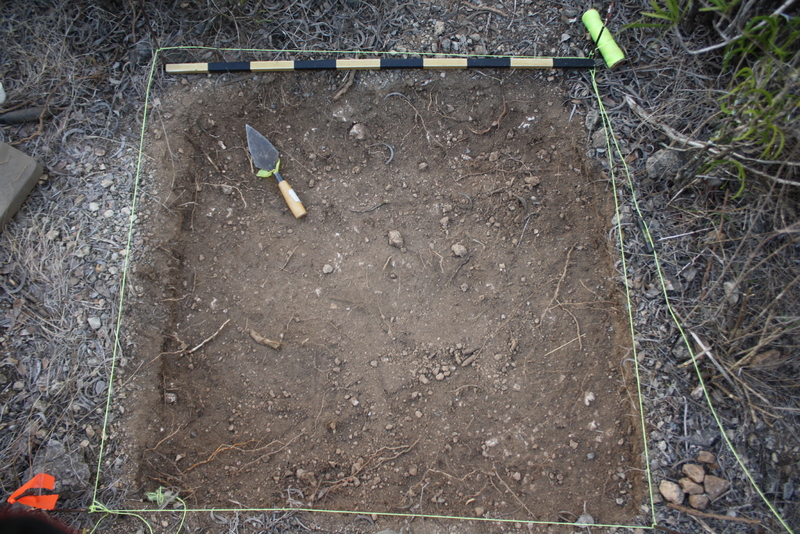
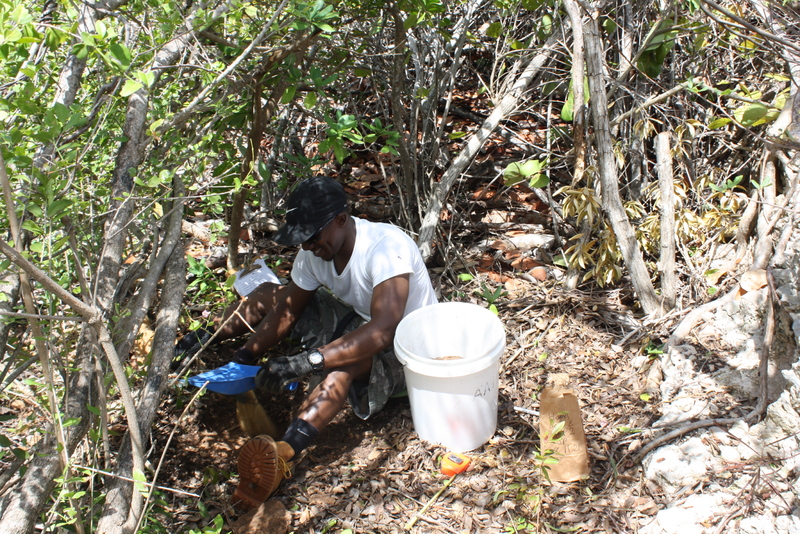
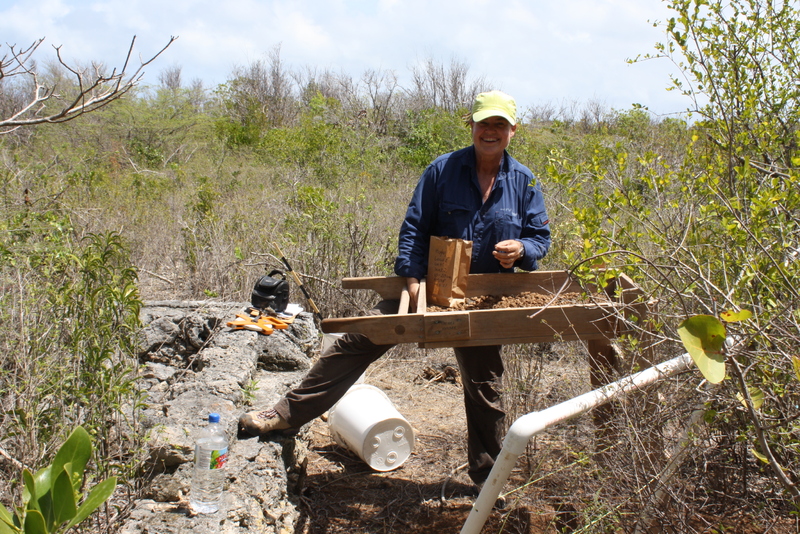
A current goal of the archaeological excavations is to learn about the lives of the men, women and children who were enslaved at Hughes Estate. Oral history and archaeological excavation can help us better know these histories that are difficult to tease out of the biased perspective offered in the colonial archives. This project is motivated by the belief that writing more inclusive stories of the past will help us better understand the present.
Elysia Petras
The mission of this website is to share the ongoing progress and results of the Hughes Estate Archaeological Research Project as well as center marginalized historic narratives in the representation of the plantation landscape.
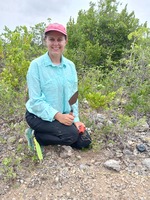
Elysia Petras, PhD heads the archaeological project at Hughes Estate. She is the main author of the text on this website, but invites you to contribute to the project! Email your comments to tug39754@temple.edu. We want to know your thoughts on the research questions, interpretations, as well as interest in participating in future research at the site.
This project would not be possible without the assistance of the archaeological crew members and volunteers , the Department of Youth and Culture of Anguilla, the Anguilla Department of Natural Resources, the Anguilla Archaeological & Historical Society, Anguilla National Trust and the kind permission of the land owners to conduct research on their property.
Project Reports and Publications: